Nigeria Eyes $200B Mega Rail, Gas and Power Project Spanning 4,000km
 Amina Garba
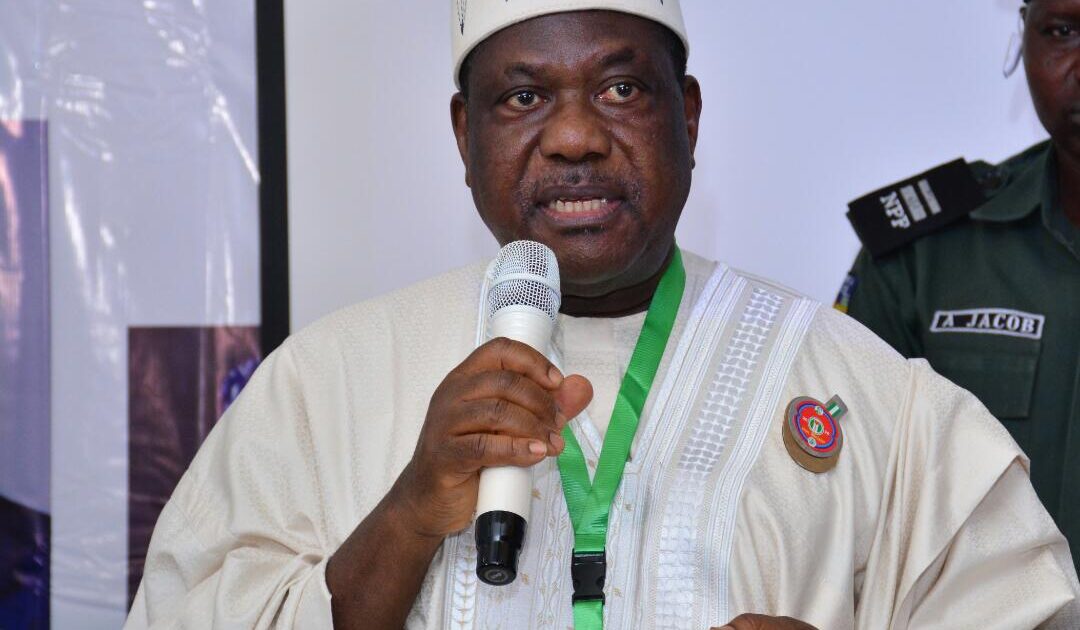
Nigeria is eyeing what could be the biggest infrastructure project in its history — a $200 billion integrated gas, power, and high-speed rail network spanning 4,000 kilometres across all 36 states.
On Thursday, Secretary to the Government of the Federation George Akume inaugurated a technical committee to review the proposal, submitted by DE-SADEL Consortium Nigeria Ltd in partnership with China Lansay Petroleum Investment Holdings Ltd.
The numbers are staggering. Trains running at up to 350 km/h. Lagos to Abuja in roughly two and a half hours. Over two million jobs. Power generation and gas development bundled alongside the rail network. Fibre-optic infrastructure threaded through the routes.
The first phase alone covers 1,700 km, connecting Abuja, Lagos, Kano, and Port Harcourt. The consortium says it has already secured several regulatory approvals and is working toward financial close.
But this is still a proposal, not a done deal. Akume was clear about that. The committee — which includes representatives from the CBN, EFCC, NIA, and the Office of the National Security Adviser — will verify funding sources, review the financing model, assess technical capacity, and examine security and reputational risks before making recommendations.
That scrutiny is warranted. A $200 billion price tag is roughly four times Nigeria’s entire 2025 budget. The project is structured as a Public Private Partnership, but the question of where the money actually comes from remains the elephant in the room.
Still, if it works, the impact would be enormous. Nigeria has struggled for decades with crumbling infrastructure, unreliable power, and a transport network that strangles economic productivity. A functioning high-speed rail connecting major cities would reshape how people and goods move across the country.
The committee is expected to submit its report within a stipulated timeframe. Whether this becomes the transformation Nigeria has been waiting for — or joins the long list of ambitious proposals that never made it off the page — depends entirely on what that report says.
What do you think — is this project realistic, or is Nigeria dreaming too big? Share your thoughts below.

Written by
Amina Garba
Financial reporter covering CBN policy, oil and gas, government budgets, and macroeconomic trends. Business Writer at NaijaTrend.
You May Also Like
 Business
NCC Begins Registration Of SIM-Enabled Devices, Targets Illegal Imports
The Nigerian Communications Commission has begun registering and authenticating SIM-enabled devices as it moves to tight…
 Business
NUPRC Threatens Revocation Of Idle Flare Gas Permits
The Nigerian Upstream Petroleum Regulatory Commission has warned that companies sitting on flare gas commercialisation p…
 Business
Reps Begin Probe Into N432bn Oil Revenue Debt
The House Public Accounts Committee is investigating debts owed to NMDPRA by NNPCL and oil marketers after audit finding…
 Business
Appeal Court Upholds Ex-NEXIM Bank MD Roberts Orya’s Fraud Conviction
The Court of Appeal in Abuja has upheld the fraud conviction of Roberts Orya, a former managing director of the Nigerian…