57,000 Nigerian Nurses Have Left the Country in Five Years, NANNM Warns
 Claudia Kane
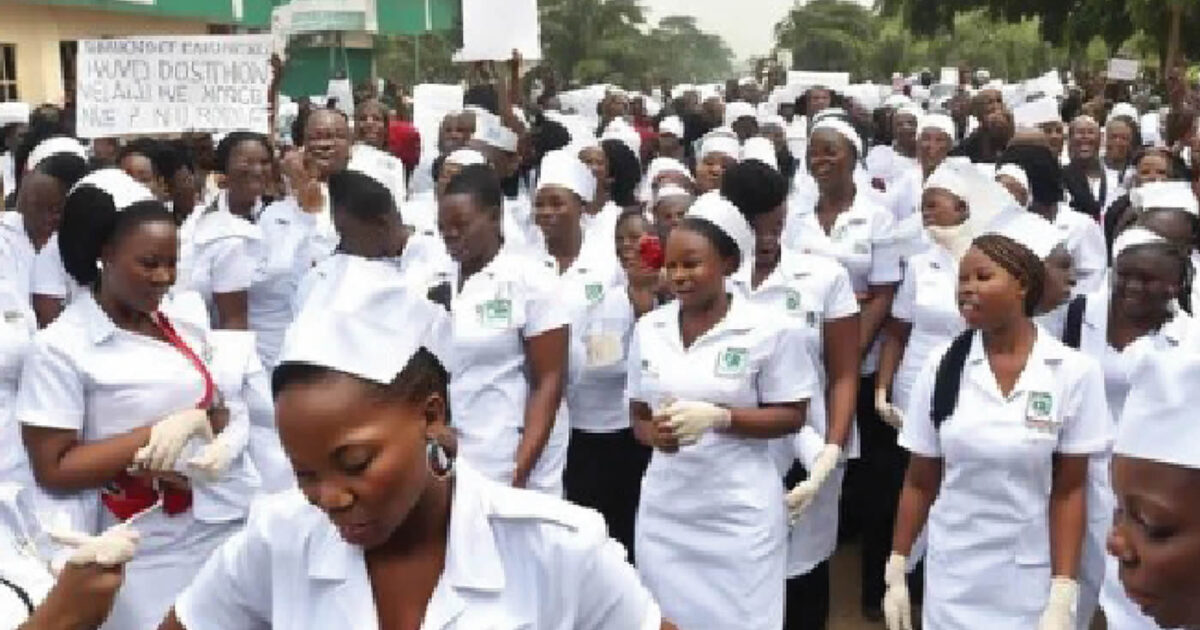
More than 57,000 Nigerian nurses have left the country in the past five years, and the head of the country’s top nursing body is calling it exactly what it is — a crisis.
Speaking in Abuja on Tuesday during the 2026 International Nurses Day celebration, Haruna Mamman, President of the National Association of Nigeria Nurses and Midwives (NANNM), said the scale of emigration should alarm both government and the public. About 16,000 of those nurses had moved to the United Kingdom alone as of December 2025, according to him.
“For the past five years, over 57,000 Nigerian nurses have left the country for different parts of the world in search of greener pastures. This should call for greater concern from both the Government and other stakeholders,” Mamman said at the event, which was held at the NANNM Conference Hall under the theme Our Nurses. Our Future. Empowered Nurses Save Lives.
Push Factors Driving the Mass Exit
Mamman did not mince words about why nurses are leaving. He listed poor salaries, unsafe working conditions, lack of career advancement, insecurity and limited job opportunities as the main drivers — factors he described as “push factors” that are making it harder for nurses who want to stay to actually do so.
“Many Nurses wish to stay and work in Nigeria, but the ‘push factors,’ which include poor remuneration, poor working conditions, kidnapping/insecurity, non-career progression, lack of job opportunities, etc., keep pushing them to leave the country,” he said.
Data from the Nursing and Midwifery Council of the United Kingdom has consistently ranked Nigeria among the top sources of foreign-trained nurses entering the UK system. The trend is not new, but the numbers are getting harder to ignore.
No Strike — At Least Not Yet
Despite the mounting frustration, NANNM says it is not looking to go on strike. Mamman was direct about the reason: a nurses’ strike puts patients at risk, and the association knows it.
“We are not always pleased to go on strike because we understand the implication of our strike on human lives. We are not trying to kill; we are trying to save lives,” he told journalists.
The association is instead pursuing dialogue with the Federal Government through a Collective Bargaining Agreement framework. Mamman acknowledged that industrial action could become unavoidable if negotiations completely break down, but said that option would only come as a last resort.
“If you see us going on strike, then we must have been pushed to the wall to a point where we have no other alternative,” he added.
Hospitals Struggling to Fill the Gaps
Deputy NANNM President Obasi Bornbless painted an even more troubling picture on the ground. He said the pressure on nurses still working in Nigeria has increased sharply, with many healthcare workers now handling patient numbers that far exceed safe limits.
He also raised concerns about hospitals failing to replace nurses who have relocated abroad, alleging that some federal health institutions still carry the names of departed staff on payroll systems while actual hospital floors remain understaffed.
“Those nurses are not being replaced. Their names remain on the payroll system while hospitals continue to face manpower shortages,” Bornbless said.
Nursing schools, he noted, continue to graduate trained personnel each year — yet many of those graduates remain unemployed even as hospitals cry out for staff.
A Call to Government
Mamman used the occasion to call on the Federal Government to act urgently. He said nurses are not asking for sympathy — they need structural reforms: better pay, safe workplaces, clear career pathways and investment in mental wellbeing for health professionals.
“Today is not just for celebration. It is a day to reflect on the care, sacrifices, advocacy, hope, and relief you offer to Nigerians,” he told attendees. “Oftentimes, you do a lot, and your work is not appreciated. You are always the first and last person to attend to a patient.”
Nigeria has been grappling with a broader health workforce exodus for years, with doctors and other medical professionals joining nurses in leaving for the UK, Canada, the United States and Saudi Arabia. The cumulative effect has been felt most in rural and underserved communities, where shortages of skilled health workers have already compromised access to basic care.
Sources: Punch, The Nation

Written by
Claudia Kane
General assignment reporter and News Editor at NaijaTrend. Covers breaking news, security, and national affairs across Nigeria.
You May Also Like
 News
News
Teenager Killed, Cattle Rustled In Fresh Benue Community Attack
A 15-year-old boy has been killed and cattle rustled in a fresh attack on Olahimu village in Ogoli Ugboju, Otukpo Local…
 News
News
Troops Arrest Suspected Terrorist Suppliers, Intercept Medical Supplies In Borno
Troops of Operation Hadin Kai have arrested suspected terrorist logistics suppliers and intercepted medical and veterina…
 News
News
FG Cuts Textbook Assessment Fees, Orders Refunds For Publishers
The Federal Government has reduced textbook assessment and ranking fees ahead of the planned National Textbook Ranking S…
 News
News
Father And 15-Year-Old Daughter Die After Falling Into Kano Well
A father and his 15-year-old daughter have died after falling into an abandoned well in Kano State. The Kano State Fire…