Nigeria Hosts World’s First UNESCO Media and Information Literacy Institute
 Emeka Nwosu
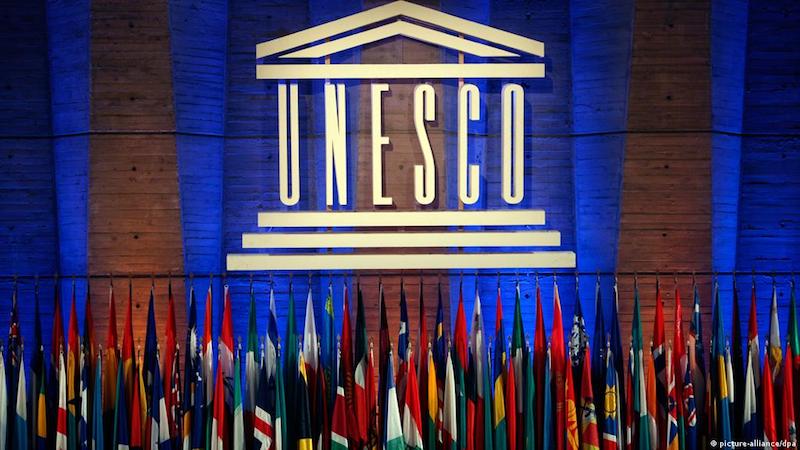
Nigeria has made history as the home of the world’s first International Media and Information Literacy Institute. The IMILI — a UNESCO Category 2 institute — was officially launched in Abuja by the Federal Ministry of Information and National Orientation, making Nigeria the first country globally to host a body dedicated entirely to media and information literacy.
The launch was attended by UNESCO’s Assistant Director-General for Communication and Information, Mariya Gabriel, who described the institute as a “timely and transformative response” to one of the defining challenges of the modern era.
What IMILI Will Do
“In a world where the volume of information continues to grow exponentially, the ability to distinguish between reliable and misleading content has become essential,” Gabriel said at the event.
IMILI is designed to serve as a global hub for research, training, and capacity development in media literacy. It will train educators, policymakers, media professionals, and young people — equipping them with tools to critically engage with information, counter misinformation, and participate more effectively in democratic processes. The institute will also support curriculum development and connect Nigeria to an international network of media literacy expertise.
Nigeria’s Pitch to the World
The institute’s establishment is the result of years of lobbying and positioning. UNESCO commended Tinubu’s administration for driving it to fruition and credited Minister of Information Mohammed Idris Malagi for strategic leadership in the process. The Category 2 designation means IMILI operates under UNESCO’s umbrella but is hosted and funded independently by Nigeria — a vote of confidence in the country’s institutional capacity.
For Africa, the significance is bigger than it might first appear. Misinformation has had real consequences across the continent in recent years — from election violence fuelled by fake news to health crises worsened by online rumours. A permanent, resourced institution with international backing to train people in media literacy is the kind of structural response the problem has always demanded.
Sources: ThisDay, Federal Ministry of Information, BusinessDay

Written by
Emeka Nwosu
Tech journalist covering Nigerian startups, fintech regulation, digital policy, and innovation. Tech Writer at NaijaTrend.
You May Also Like
 Education
Benue Bans Phones In Schools, Compulsory Extra Lessons As New Session Begins
The Benue State Government has banned the use of mobile phones during school hours and outlawed compulsory extra lessons…
 Education
JAMB Releases 2026 UTME Mop-Up Results, Begins Candidate Ranking
The Joint Admissions and Matriculation Board has released the results of the 2026 Unified Tertiary Matriculation Examina…
 Education
Tinubu Appoints 39-Year-Old Prof Segun Aina as New JAMB Registrar
Aina’s Tech Background Points to Digital Reforms President Bola Tinubu has appointed Professor Segun Aina, 39, as…
 Education
FG Begins Payment of Outstanding Allowances to Stranded BEA Scholars Abroad
The Federal Government has commenced disbursement of outstanding allowances to Nigerian students under the Bilateral Edu…