US Congress Moves to Withhold 50% of Nigeria Aid Over Religious Violence Failures
 Tunde Bakare
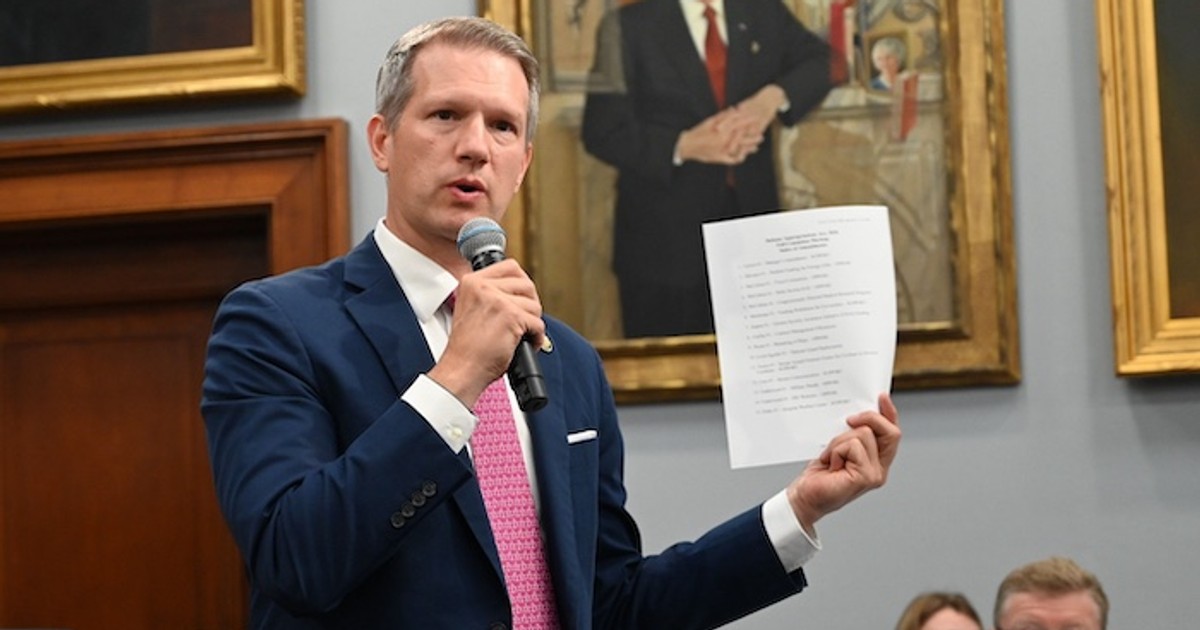
The US House Appropriations Committee has passed provisions that could cost Nigeria millions in American security and financial assistance. The bill, part of the Fiscal Year 2027 National Security and State Department appropriations package, ties 50 percent of funds earmarked for Nigeria to a set of conditions the Tinubu administration must meet — or lose the money.
What the Bill Actually Says
The legislation is direct: half of US assistance for Nigeria’s central government under foreign aid titles cannot be released until the Secretary of State certifies that Nigeria is “taking effective steps to prevent and respond to violence and hold perpetrators accountable,” prioritising displaced persons, facilitating the safe return of affected communities, and allocating sufficient resources to address those conditions.
The lawmakers specifically cited the Tinubu administration’s alleged failure to adequately address widespread violence against Christians, including attacks by Fulani ethnic militants and jihadist groups. The bill also demands that funds support investigations and prosecutions of Fulani militia violence, and introduces a cost-matching requirement — Nigeria must contribute its own funds dollar-for-dollar for US programmes in the country.
How Much Is at Stake
The overall bill covers significant global security spending: $6.89 billion for National Security Investment Programs (with at least 15% earmarked for Africa), $870 million for anti-terrorism and demining programmes, and $119 million for international military education and training. Nigeria is not given a specific line item, but the withholding clause applies to whatever portion flows its way.
For a government already stretched on security spending — facing Boko Haram remnants in the northeast, banditry in the northwest, and militia violence in the Middle Belt — losing even a fraction of US security cooperation funding would sting. Beyond the money, the reputational signal matters too.
The bill still needs to pass the full House and Senate before becoming law, but its passage through committee reflects growing impatience in Washington with Abuja’s human rights record.
Sources: Punch, Nairametrics, Business Insider Africa

Written by
Tunde Bakare
Political journalist covering Nigerian politics, the National Assembly, and electoral developments. Political Editor at NaijaTrend.
You May Also Like
 Politics
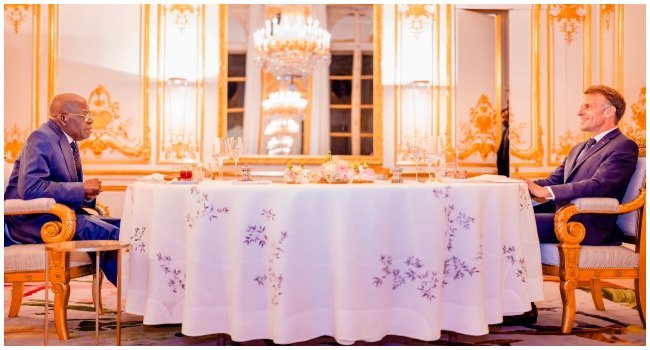
Macron hosts Tinubu to private dinner in Paris
French President Emmanuel Macron has hosted President Bola Tinubu to a private dinner at the Élysée Palace in Paris. Cha…
 Politics
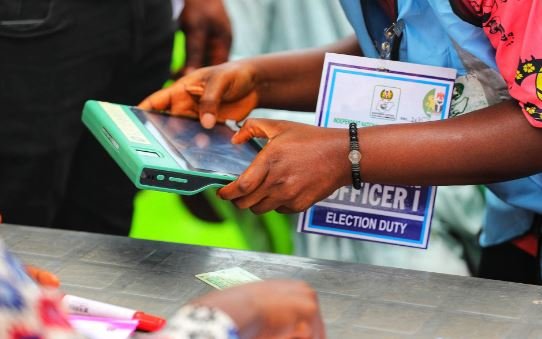
INEC opens recruitment portal for 2027 election ad hoc staff
The Independent National Electoral Commission has opened its online recruitment portal for ad hoc staff ahead of the 202…
 Politics
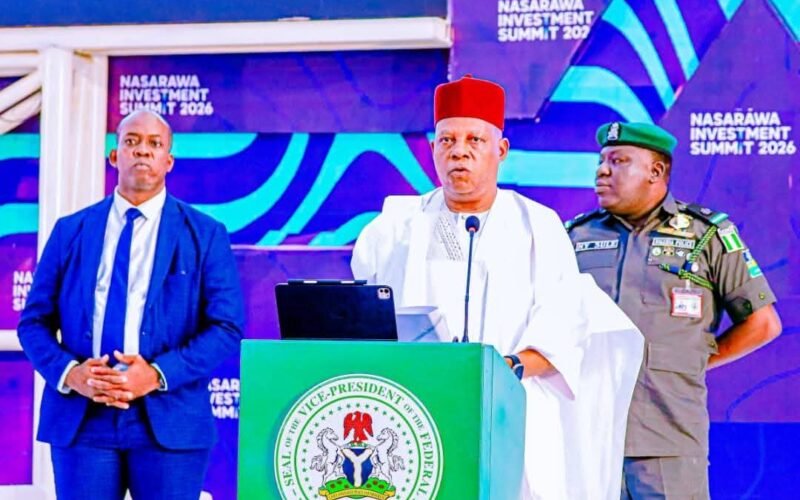
Shettima says northern governors remark referred to APC primary
Shettima’s office said his reference to six northern governors was about pre-primary APC consultations, not the 2023 cam…
 Politics
Obi camp releases 2014 Anambra handover report in debt dispute
Peter Obi’s camp has released his 2014 Anambra handover report, bringing a detailed financial statement into the d…