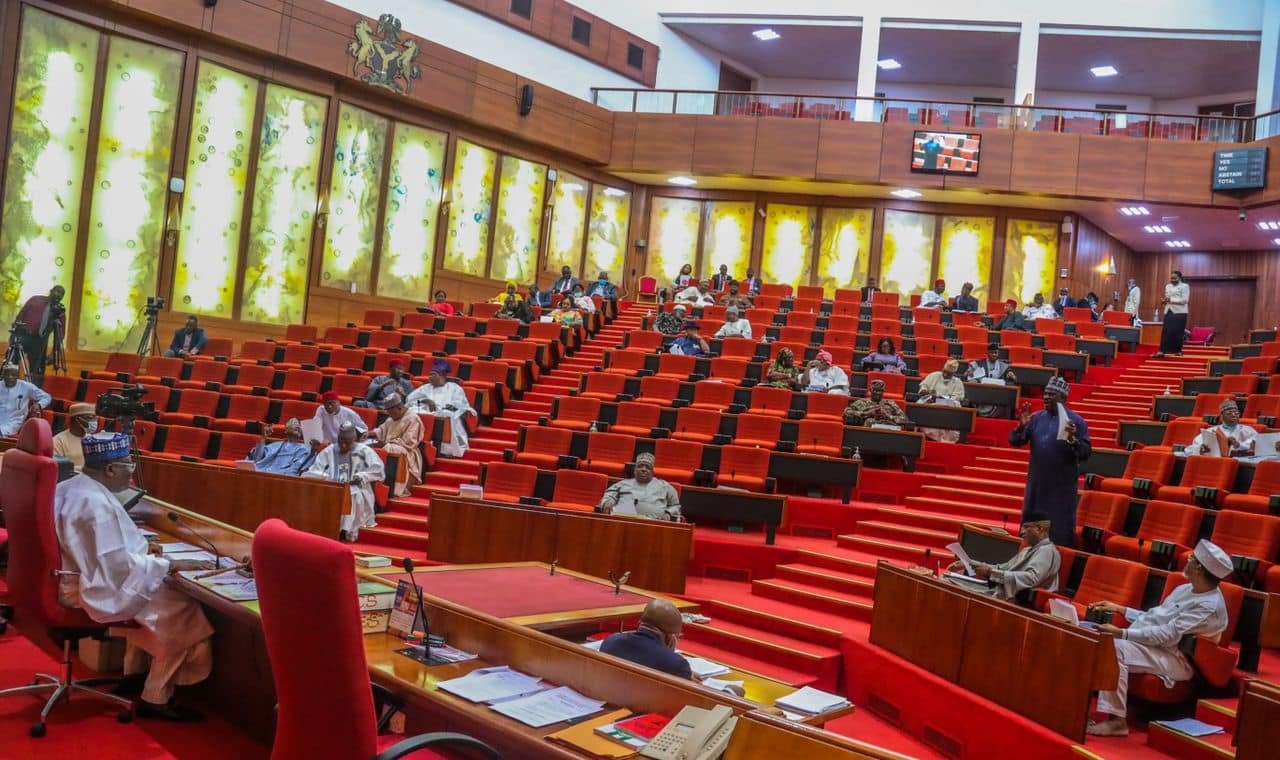
The Senate on Wednesday advanced a bill that would impose time limits on emergency hospital care and introduce penalties for providers who breach the proposed standards.
Senator Abdulaziz Yar’Adua (APC, Katsina Central), who sponsored the amendment to the National Health Act, 2014, said it would require timely treatment regardless of a patient’s wealth, influence or location.
Senate Whip Mohammed Monguno (APC, Borno North) backed the bill, saying it would help prevent avoidable deaths from road accidents and maternal emergencies.
Public and private hospitals would have to assess emergency patients within 15 minutes of arrival and begin basic stabilisation within 30 minutes. A trained, certified nurse could conduct the initial assessment if a doctor was unavailable.
Life-threatening conditions would require immediate interventions, including resuscitation, airway management and bleeding control.
Patients needing admission would be assigned a bed within two hours, subject to availability. Hospitals unable to admit them would have to stabilise them and arrange referral, with a proposed three-hour transfer deadline, subject to exceptions for external obstacles. Practitioners who document that they lacked the resources to comply would still have to follow the referral protocol and report the circumstances, Premium Times reported.
A person or health facility that breaches the section would be liable on conviction to a fine of up to N300,000, up to six months in prison, or both, according to the bill text Yar’Adua read out, as quoted by Punch.
The Medical and Dental Council of Nigeria and the Nursing and Midwifery Council of Nigeria would jointly develop an emergency-care curriculum. Healthcare workers providing emergency care would undergo training and certification at intervals no longer than 18 months.
Senate President Godswill Akpabio announced the second-reading vote and the bill was referred to the Senate Committee on Tertiary and Primary Health for further scrutiny and a public hearing, Premium Times reported. None of the reports gave a hearing date, and the bill cannot become law until it passes both chambers and is signed by the president.
Sources: Daily Trust; Punch; Premium Times
Something we should clarify?
Contact the newsroom