The International Monetary Fund has advised Nigeria against restoring a blanket petrol subsidy, saying the government should direct relief to vulnerable households rather than keep fuel prices low for every consumer.
The fund said broad subsidies are expensive and tend to benefit higher-income consumers disproportionately because they use more fuel. It proposed targeted assistance, including support for public transport users, to cushion rising energy costs.
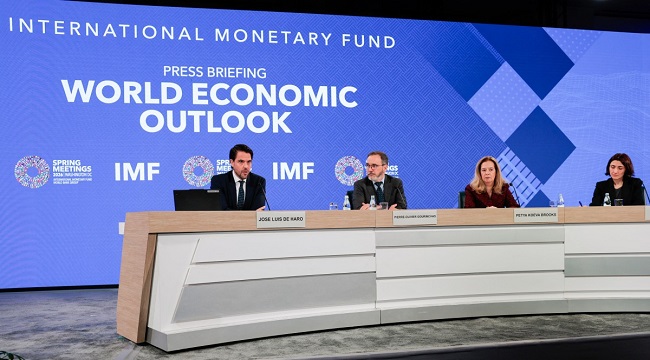
Rodrigo Valdés, director of the IMF’s Fiscal Affairs Department, gave the advice on Wednesday, October 14, at a Fiscal Monitor press briefing during the IMF and World Bank annual meetings in Bangkok, Thailand.
He was responding to a question about the pressure to restore petrol subsidy in Nigeria as higher fuel prices increase transport costs and the cost of living. Valdés acknowledged the political pressure but said subsidising fuel for everyone would consume resources that could be directed to people most affected.
“Protecting people is not the same as protecting the price of fuels,” he said. He urged governments to use social safety nets and household data to identify those who need help, and suggested that support for bus fares could be preferable to a general petrol subsidy.
Valdés also said keeping prices artificially low prevents fuel demand from adjusting when supplies are constrained. In his account, that leaves other consumers to make larger adjustments and can push market prices higher.
Punch reported that Davide Furceri, a division chief in the IMF’s Fiscal Affairs Department, proposed school feeding programmes, geographical targeting and assistance for vulnerable farmers as other options. He acknowledged that some countries lack the household registries and digital payment systems needed for targeted transfers, and recommended limited, targeted and temporary support while stronger systems are developed.
The advice follows the Federal Government’s announcement of a 30-day petrol discount at Nigerian National Petroleum Company Limited retail stations, with priority for public transport operators. Finance Minister Taiwo Oyedele said the company would forgo its retail profit margin to sell at cost, describing the measure as temporary relief rather than a return to petrol subsidy.
Sources: Premium Times, Punch, Daily Trust
Something we should clarify?
Contact the newsroom